Hybrid Wedding Photography: Mastering a Minimalist Prime Lens Setup
Mastering Hybrid Wedding Photography: The Power of a Minimalist Prime Lens Setup
Photographing a wedding can be intimidating. Mix in video coverage, and for many creators, it becomes downright terrifying. One minute you are capturing a breathtaking, emotional vow exchange, and the next, you are coordinating a fast-paced portrait session.
If the idea of managing both mediums simultaneously makes you want to pack up your gear and run, you aren't alone. But achieving stunning wedding photos and cinematic video without losing your mind is entirely possible. The secret doesn't lie in carrying more equipment—it lies in simplifying your approach.
The Minimalist Storyteller: Why Less Gear Means More Emotion
When a hybrid shooter shows up with a massive rolling case of lenses, gimbals, and complex audio setups, they often spend more time managing their equipment than connecting with their couple. Introducing a minimalist workflow—specifically, relying almost exclusively on two camera bodies and two prime lenses—eliminates the panic of choice.
Before discussing how to shoot a wedding hybrid, you must understand why a simplified gear list dramatically improves the final product. Restricting yourself to fixed focal lengths frees up your mental bandwidth, allowing you to prioritize the story, the light, and most importantly, the emotion in the room.
Five Reasons to Commit to Prime Lenses for Weddings
For some, ditching the 24-70mm and 70-200mm zoom lenses sounds like an impossible challenge. However, stepping away from the zoom ring forces a profound shift in how you document a wedding day. Here are five core reasons why a minimalist prime setup enhances the creative process.
1. Developing Better Shooting Instincts
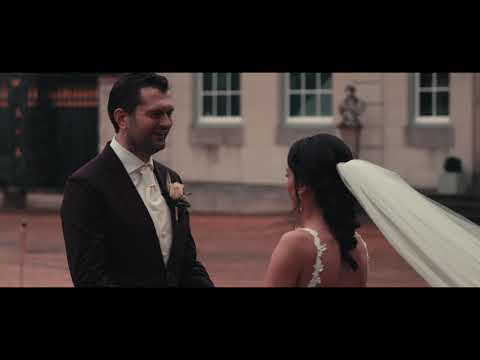
When you remove the zoom function, you have to move your feet. If you want a tighter shot, you walk forward; if you need to go wide, you take a few steps back. Relying on a 35mm and 50mm setup teaches you the invaluable art of in-camera cropping.
More importantly, it teaches you the power of omission. Photography isn't just about what you include in the frame; it is equally about what you choose not to show. Leaving out unnecessary background clutter forces the viewer’s brain to engage more deeply with the subject.
2. Forcing Creative Intentionality
Limitations breed creativity. When you cannot easily zoom out of a tricky situation, you are forced to work the scene, find interesting angles, and be incredibly intentional with your composition. The lens is never the restriction—you are. When you accept the constraints of a prime lens, you transition from being a passive observer who just stands in the back of the room to an active, intentional storyteller.
3. Achieving Visual Signature and Editing Consistency
Using a strict 35mm and 50mm duo guarantees a highly cohesive look across your entire wedding gallery and film. The compression, distortion, and depth of field remain consistent, giving your work a distinct visual signature.
From a practical standpoint, this makes post-processing significantly smoother. You aren't constantly fighting to color-match an image shot on a wide, sweeping 16mm lens with a hyper-compressed 200mm shot. The story flows naturally, much like human vision.
4. Reducing Gear Intimidation
Legendary photographer Henri Cartier-Bresson once compared a camera to a gun—a metaphor about the critical timing of pulling the trigger. But it also applies to how subjects feel when a camera is pointed at them.

Massive, white telephoto lenses and complex, robotic gimbal rigs are intimidating. They make couples and guests feel self-conscious and hyper-aware that they are being documented. Small, unobtrusive black prime lenses on handheld camera bodies are far less distracting. You look like an integrated part of the day rather than a Hollywood production crew.
5. Fostering Deeper Human Connection
Because prime lenses require you to be physically closer to your subjects, you naturally foster a deeper human connection. Instead of hiding behind a long lens from across the room, you are in the mix.
This enables the "through the camera" philosophy. When you aren't distracted by zooming or twisting dials, you stop looking at your camera settings and start looking through your camera at the actual humans in front of you. Being physically closer allows you to anticipate micro-expressions and capture raw, unscripted emotion that a zoom lens simply cannot reach.
The Necessity of the Two-Camera Body Workflow
While limiting your lenses is an artistic choice, bringing two camera bodies is a non-negotiable professional requirement. Weddings are generally predictable events, but technology is not. Cameras can—and will—fail eventually. Memory cards corrupt, shutters jam, and accidents happen.
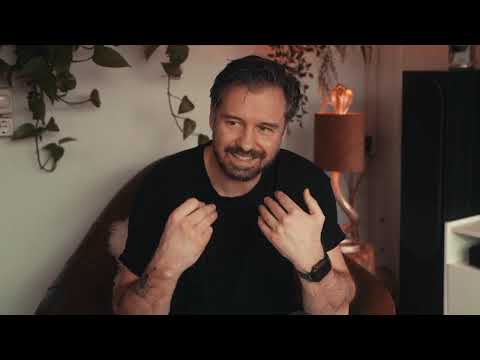
Hardware redundancy gives you peace of mind. Beyond safety, a dual-camera setup allows you to mount a 35mm on one body and a 50mm on the other, covering 99% of the wedding day without ever missing a moment to change a lens.
Pro Tip: If you are nervous about managing two cameras as a hybrid shooter, place one camera on a tripod during the ceremony to roll continuous video. You can then roam freely with your second body—likely your 50mm—to capture creative photo and video cutaways.
A Timeline of Hybrid Shooting: From Getting Ready to the Reception
Knowing when to deploy which focal length is key to a seamless hybrid workflow. Here is how a standard two-prime setup translates throughout the day:
Getting Ready: The 50mm prime is perfect for bridal prep. It offers beautiful, intimate compression for details and portraits without forcing you into the bride’s personal space while she gets dressed. The 35mm steps in for wider context shots of the room and the bridal party.
The Ceremony: When the bride walks down the aisle, the 35mm is your safest bet, ensuring you capture her full dress and the environment. Once the couple is at the altar, seamlessly swap between the 35mm for wide venue shots and the 50mm for close-ups of the ring exchange and vows.
Low-Light Dinner and Reception: This is where fast primes dominate. During a dimly lit dinner, firing off aggressive flashes kills the romantic ambiance and annoys the guests. Primes that open to f/1.2, f/1.4, or f/1.8 allow you to shoot clean, ambient-light photos and videos that preserve the actual mood of the evening.
Scheduling for Success: The Late-Day Portrait Session
One of the best decisions you can make for your hybrid workflow is moving the formal couple’s portraits to later in the day, ideally around dessert or "golden hour."
Mid-day portraits are often rushed, the lighting is harsh, and the couple is usually stressed about getting to the reception. By pushing portraits to later in the evening, the sun is lower, the couple has had a drink, they've spoken to their guests, and the pressure of the timeline is gone. Even if their wedding attire has gotten a little dirty, they are infinitely more relaxed, which translates directly into superior emotional imagery on both video and photo.
Essential Technical Requirements for Hybrid Creators
Shooting hybrid with two prime lenses requires a few critical technical safety nets:
Variable ND Filters are Mandatory: When shooting video outdoors, you must maintain a consistent shutter speed (typically double your frame rate) for natural motion blur. A Variable ND filter acts as sunglasses for your lens, allowing you to keep your aperture wide open at f/1.4 for beautiful bokeh without blowing out your video exposure.
Embrace AV Mode: For hybrid shooters rapidly switching between photo and video, Aperture Priority (AV) mode can be a lifesaver. It allows you to lock in your desired depth of field while the camera automatically handles the fluctuating lighting conditions as you move between indoor and outdoor spaces.
Conclusion: Prioritizing Emotion Over Technical Perfection
Shooting a wedding with just two cameras and two prime lenses isn't a gimmick or an attempt to flex your skills—it is a deliberate strategy to create mental rest for yourself as a creator.
At the end of the day, intuition must drive your storytelling. It is far better to deliver a technically flawed photo that perfectly captures a tear rolling down a groom's cheek than a perfectly composed, sharply focused image that lacks all feeling. Your camera is simply a piece of technology designed to translate human emotion into a visual format.
Trust your instincts, simplify your gear, and focus on the connection.
Want to see exactly how this hybrid approach looks in action? Watch the full video above for behind-the-scenes footage from a real wedding, and let us know in the comments: are you team prime or team zoom?